
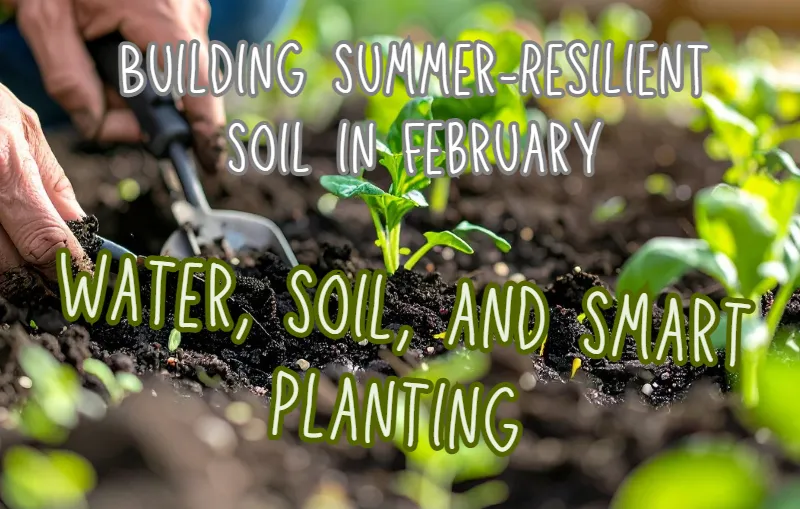
Why Soil Health Matters Most in February
February is one of the most demanding months in the New Zealand garden. Long days, intense sun, and dry conditions can quickly stress plants if soil moisture and nutrient levels aren’t well managed. While watering is important, the real secret to keeping gardens productive through late summer lies in healthy, carbon-rich soil.
When soil dries out, nutrients leach away and roots struggle to access water. Plants under stress are far more likely to suffer from pests, disease, and poor yields. Improving soil structure helps retain moisture, supports root growth, and keeps plants resilient during hot spells.
This is where Organic Humate (BioGro certified) plays an important role.
What Is Organic Humate?
Found below peat and above coal, humate is the world’s oldest and most concentrated form of compost. Formed from millions of years of organic forest residue, Organic Humate (BioGro certified) is up to 20 times more potent than regular compost, meaning a little goes a long way.
Because it is rich in stable carbon, humate improves soil performance rather than simply feeding plants short-term.
Key Benefits of Organic Humate
Organic Humate (BioGro certified):
-
- Improves moisture retention, helping soil hold water for longer during dry periods
- Adds valuable carbon to both sandy and heavy clay soils
- Reduces leaching of vital trace elements
- Dramatically improves root development, flowering, and fruiting
- Supports strong, healthy plant growth across all garden types
It is easy to apply, non-toxic, and suitable for:
-
- Flowers and roses
- Lawns
- Vegetable gardens
- Fruit trees
- Pasture
Using Organic Humate in Late Summer
February is an ideal time to apply humate, particularly if your garden is showing signs of stress.
Best practice
-
- Apply to soil rather than foliage
- Water the area first so the humate can move into the root zone
- Apply early morning or late afternoon to avoid peak heat
- Use in garden beds, around trees, lawns, and vegetable patches
Humate works especially well alongside compost and mulch, helping lock moisture into the soil and improve overall soil structure.
Water Smarter This Summer
February is often hot and dry, so how and when you water matters:
-
- Early morning or late afternoon watering reduces evaporation and encourages deeper root growth.
- Focus on watering the soil around the roots, not the leaves.
- After watering, top-dress beds with compost — it acts like a sponge and keeps moisture where plants need it most.
What to Plant in February (NZ Late Summer)
Even now there’s plenty to keep you busy:
Vegetables:
-
- Sow trays of brassicas, parsley and silver beet.
- Direct sow broad beans, carrots and beetroot.
Herbs:
-
- Basil, coriander and parsley continue to thrive.
Flowers:
-
- Brighten beds with cosmos, marigolds and dahlias.
Fruit:
-
- Establish strawberries, raspberries and citrus trees in suitable regions.
Succession planting now sets you up for harvests well into autumn.
Harvest and Care Tips for February
-
- Tomatoes: Remove lower leaves to improve airflow and ripening.
- Potatoes: Keep soil hilled up around stems and water the soil, not the foliage.
- Sweetcorn: Stake or shelter from strong winds.
- Lawn: Mow slightly higher in hot weather to reduce stress on grass.
Boost Long-Term Soil Health
Incorporating compost isn’t just a quick fix — it builds a foundation that keeps giving. Organic matter stimulates beneficial soil life like worms and microbes, increases nutrient availability and enhances moisture retention — all of which help your garden stay strong through heat and drought.
February is one of the most rewarding times in the garden, with plenty to harvest and still lots to plant. By managing moisture carefully and supporting your soil with organic humate, you’ll help your garden stay healthy, resilient, and productive through the toughest part of summer.
Dave’s Garden Products are available at Mitre 10, Bunnings, and selected garden centres nationwide.